Understanding a Recent B42 Rheingau Crash Near Oestrich-Winkel
The Bundesstraße 42 (B42) in the picturesque Rheingau region is a vital artery, carving its way through stunning landscapes and historic towns. While renowned for its scenic beauty and connectivity, it is also a route that demands constant vigilance from drivers. A recent incident on the B42, specifically near Oestrich-Winkel, serves as a stark reminder of the potential hazards and the critical importance of road safety. This article delves into the details of that collision, explores the broader safety considerations for the B42, and offers valuable insights for all road users, reflecting the ongoing concern encapsulated by searches like "Unfall B42 Rheingau Heute" (B42 Rheingau Accident Today).
On a Thursday morning, May 18th, during the bustling rush hour, a significant traffic accident occurred on the B42 between Oestrich-Winkel and Hattenheim. The collision involved two passenger vehicles, resulting in considerable damage and injuries to both drivers. According to initial reports, one car, traveling in the direction of Wiesbaden, veered into oncoming traffic for reasons yet to be fully explained. This led to a head-on collision with slight overlap with an approaching vehicle. The force of the impact was severe enough to hurl both cars into a roadside ditch, leaving them heavily damaged. Emergency services were promptly on the scene, and both drivers, having sustained injuries, were transported to a hospital for medical attention. This incident, while a specific event from the past, continually underscores the dynamic and sometimes unpredictable nature of traffic conditions on the B42, prompting ongoing public interest in the safety of this particular stretch of road.
The B42 Rheingau: A Vital Yet Challenging Route
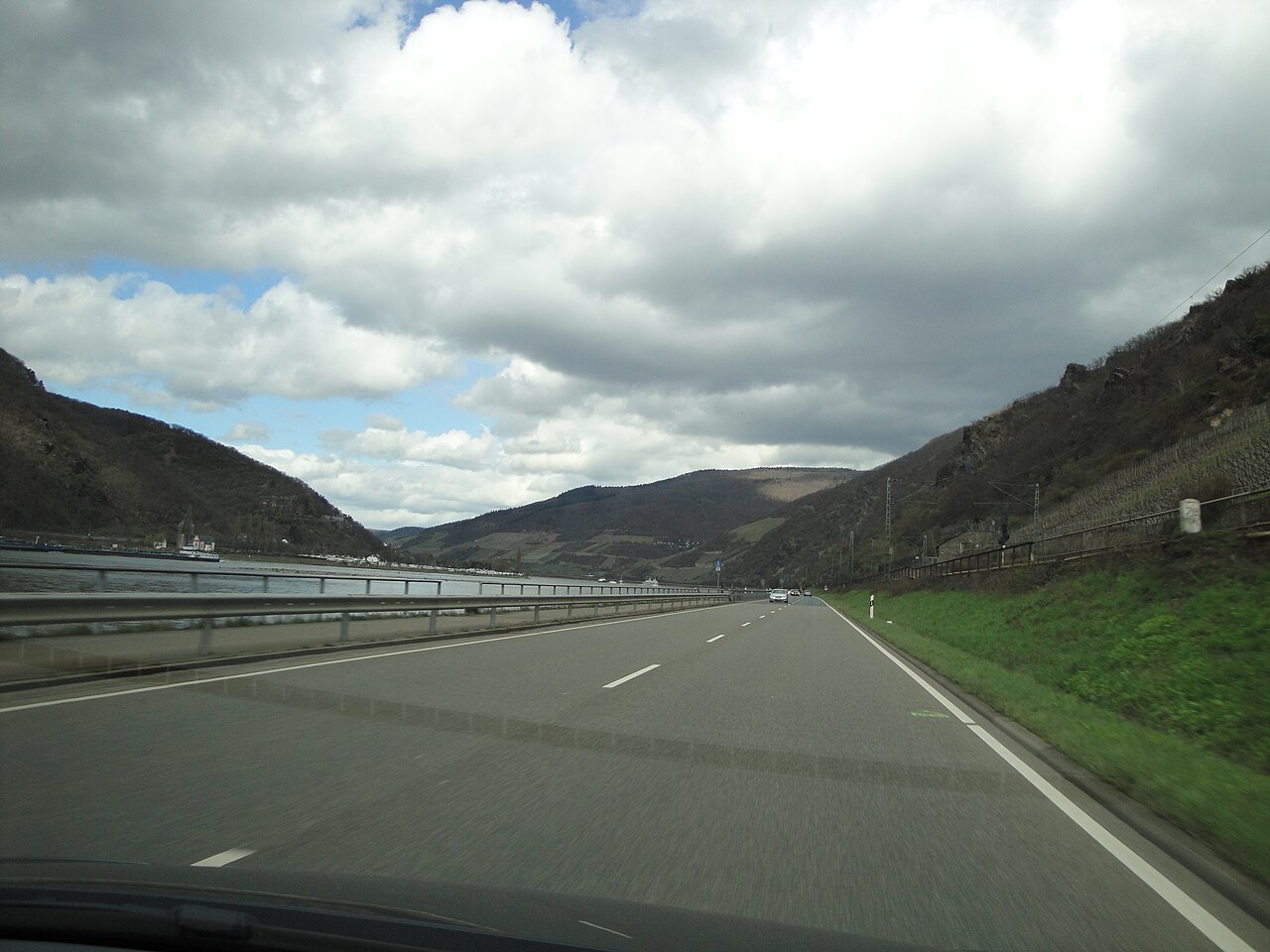
The B42 is more than just a road; it’s a lifeline for residents and a scenic route for tourists exploring the Rheingau's famous vineyards and historic sites. Stretching along the Rhine River, it connects numerous communities from Lorch to Wiesbaden. Its dual role as a primary commuter route and a scenic tourist road means it often experiences heavy traffic, especially during peak hours and holiday seasons. This constant flow, combined with varying road characteristics, presents unique challenges for drivers.
The route features a mix of straight stretches, winding sections, and areas with different speed limits, often transitioning quickly. While offering breathtaking views, these very features can contribute to increased accident risk if drivers are not fully attentive or adapted to the specific conditions. For instance, blind curves or sudden changes in elevation can reduce visibility, making it crucial for drivers to maintain appropriate speeds and be prepared for unexpected situations. Moreover, the proximity to the Rhine means that weather conditions such as fog or heavy rain can significantly impact visibility and road grip, adding another layer of complexity to driving on the B42.
This recent incident near Oestrich-Winkel is not an isolated event on the B42. The road, like any busy thoroughfare, has its share of traffic incidents. For example, a separate incident on the B42 near Lorch involved a motorcycle and a bicycle, highlighting the diverse range of road users and the varied types of collisions that can occur. You can learn more about this particular event and its implications for road safety in our detailed article,
Motorcycle-Bicycle Collision on B42 Near Lorch Last Sunday. Such incidents collectively emphasize the need for continuous awareness and adherence to traffic regulations by all individuals sharing the road.
Key Causes of Collisions on the B42 and Strategies for Risk Mitigation
Understanding why accidents happen is the first step toward preventing them. While the cause of the Oestrich-Winkel crash remains "unexplained," many factors commonly contribute to road traffic accidents, especially on dynamic routes like the B42. These include:
* **Distracted Driving:** Mobile phone use, adjusting navigation systems, or even engaging in animated conversations can divert a driver's attention from the road for crucial seconds, which is all it takes for an accident to occur.
* **Speeding and Reckless Driving:** Exceeding speed limits or driving aggressively significantly reduces reaction time and increases the severity of collisions. Even driving at the speed limit can be too fast if road or weather conditions are poor.
* **Fatigue:** Drowsiness impairs judgment and reaction time, making it as dangerous as driving under the influence. Long commutes or late-night driving can contribute to driver fatigue.
* **Impairment:** Driving under the influence of alcohol or drugs dramatically reduces a driver's ability to operate a vehicle safely.
* **Adverse Weather Conditions:** Rain, fog, ice, or strong winds can reduce visibility and traction, making driving considerably more hazardous.
* **Improper Overtaking:** Misjudging distances or speeds when attempting to overtake another vehicle can lead to head-on collisions, especially on two-lane roads.
* **Vehicle Malfunctions:** Poor vehicle maintenance, such as worn tires, faulty brakes, or issues with steering, can contribute to a loss of control.
Practical Road Safety Tips for Drivers on the B42
Given these common factors, adopting a proactive approach to driving safety is paramount for anyone navigating the B42 Rheingau. Here are essential tips to help mitigate risks and ensure a safer journey:
* **Maintain a Safe Following Distance:** This provides crucial reaction time to avoid sudden stops or incidents ahead. A good rule of thumb is the "two-second rule," or even more in adverse conditions.
* **Adhere Strictly to Speed Limits:** Always respect posted speed limits and adjust your speed further based on current road, weather, and traffic conditions.
* **Eliminate Distractions:** Put your phone away, pre-set your GPS, and avoid engaging in activities that take your eyes or mind off the road.
* **Be Aware of Road and Weather Conditions:** Check forecasts before you travel and be prepared to alter your driving style or even postpone your journey if conditions are hazardous.
* **Ensure Regular Vehicle Maintenance:** A well-maintained vehicle is a safer vehicle. Regular checks of tires, brakes, lights, and fluid levels are non-negotiable.
* **Practice Defensive Driving:** Always anticipate the actions of other drivers and be prepared for the unexpected. Assume others might make mistakes.
* **Plan Your Journey:** Especially during rush hour, planning your route and allowing extra time can reduce stress and the temptation to rush.
* **Recognize Fatigue:** If you feel tired, pull over at a safe location, rest, or switch drivers. Never push yourself when drowsy.
Understanding the continuous need for vigilance on the B42 is crucial, as highlighted by recurring incidents. To delve deeper into the broader context of recent accidents and their implications for road safety on this route, consider reading our article:
B42 Rheingau: Recent Accidents Highlight Road Safety on the Route.
Responding to an Accident: What to Do and Who to Call
Even with the most careful driving, accidents can happen. Knowing how to react effectively in the immediate aftermath can save lives and prevent further harm.
1. **Secure the Accident Scene:** As soon as it's safe to do so, turn on your hazard lights. If possible and safe, place a warning triangle a sufficient distance behind your vehicle to alert oncoming traffic. Move vehicles to the side of the road if they pose an immediate danger and can be moved safely.
2. **Ensure Safety for All:** Check for injuries among all occupants of your vehicle and anyone else involved. Do not move injured persons unless they are in immediate danger (e.g., from fire or further traffic).
3. **Call Emergency Services:** In Germany, dial 112 for police, fire, and ambulance services. Provide clear information about your location (use road markers or GPS coordinates if available), the number of vehicles involved, and the extent of injuries.
4. **Administer First Aid (If Trained):** If you are trained in first aid, provide assistance to the injured until professional medical help arrives.
5. **Gather Information:** Once immediate safety and medical needs are addressed, exchange insurance and contact information with other drivers involved. If there are witnesses, ask for their contact details. Take photos of the accident scene, vehicle damage, and any relevant road conditions.
6. **Do Not Admit Guilt:** While cooperating, avoid making statements that admit fault at the scene. This is a matter for insurance companies and legal professionals to determine.
7. **Wait for Authorities:** Remain at the scene until the police arrive and complete their investigation. They will document the incident and provide official reports.
Taking these steps not only fulfills legal obligations but also ensures that those affected receive prompt care and that the incident is properly documented for insurance and investigation purposes.
Conclusion
The Rheingau B42 crash near Oestrich-Winkel, which resulted in two cars colliding and both drivers sustaining injuries, serves as a poignant reminder of the inherent risks on our roads. While the beauty of the Rheingau is undeniable, the B42 demands constant respect and adherence to safety protocols. For residents, commuters, and tourists alike, understanding the potential hazards and adopting defensive driving practices is crucial. Whether you're searching for "Unfall B42 Rheingau Heute" to stay updated on current traffic or simply seeking to enhance your driving safety, the message remains clear: vigilance, responsibility, and preparedness are the cornerstones of safe travel. By prioritizing road safety, we can all contribute to making the B42 a safer passage for everyone and help prevent future incidents, ensuring that journeys through this beautiful region remain pleasant and uneventful.